
Aircraft Manufacturing Defects and Flight Delays
⚡ Key Takeaways for Aircraft Manufacturing Defects and Flight Delays
- Rare Defense: Airlines only avoid paying if a 'hidden defect' (like a grounded MAX-8) is declared by the manufacturer.
- Routine Parts: A broken fuel pump or a faulty hydraulic line is a maintenance issue, NOT a manufacturing defect. They must pay.
- Case Law: The 'Siewert vs Condor' ruling makes it very hard for airlines to use technical faults as a valid defense.
When a prominent aircraft model experiences a fleet-wide grounding due to latent engineering issues, the ripple effects cause mass cancellations. Historically, carriers including Turkish Airlines have attempted to classify these major OEM (Original Equipment Manufacturer) failures as "extraordinary circumstances" out of their immediate control. However, the legal reality is far more complex.
In this guide, we analyze how the Boeing 737 MAX and Airbus A321neo GTF engine crises have redefined passenger rights. We explore why a "defect" at the factory level doesn't automatically grant Turkish Airlines a "get out of jail free" card when it comes to paying your €600 compensation.
The Legal Definition of "Inherent Risk"
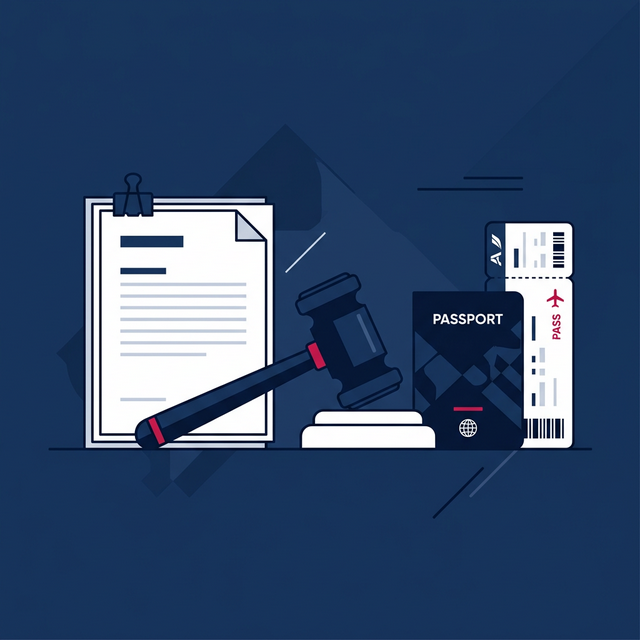
Under the landmark Siewert v Condor (C-394/14) ruling, the European Court of Justice (ECJ) clarified that technical problems are an inherent part of an airline's normal business activity. Even if a part fails prematurely, or if a manufacturer issues a service bulletin, the airline is responsible for the resulting delay unless the defect is a result of sabotage or terrorism.
Case Study: 737 MAX 8 and Turkish Airlines
Turkish Airlines was heavily impacted by the 2019-2020 737 MAX grounding. During the initial days of the grounding, many flights were cancelled. Because this was a MANDATORY safety directive from civil aviation authorities, the airline was legally exempt from paying the statutory compensation. However, they were still required to provide Duty of Care (hotels/meals) and full refunds or re-routing.
⚠️ The Pratt & Whitney Engine Crisis (A321neo)
In 2023 and 2024, Turkish Airlines had to ground dozens of A321neo aircraft due to defects in the Pratt & Whitney GTF engines. Unlike a total government grounding, many of these delays occurred while the planes were still technically airworthy but awaited "inspections." In cases where the airline chose to preemptively ground a plane for maintenance scheduling, compensation IS payable because the airline decided the timing of the disruption.
Why "Technical Fault" is a Weak Defense
Airlines often use the phrase "technical fault" as if it's a magic spell that makes legal liability disappear. In reality, unless the plane was struck by a bird or a lightning bolt (and even then, only if it caused extraordinary damage), most technical faults are the carrier's burden. If a Boeing or Airbus plane breaks, Turkish Airlines has a "Right of Recourse" to sue the manufacturer for damages, but that is a business-to-business matter. The passenger must be paid first.
Grounding Affected Your Flight?
Was your flight cancelled due to an "aircraft swap" or "technical issue"? We analyze fleet data to determine if it was a valid exemption or a payable claim.
Frequently Asked Questions: Technical Defects
What if the airline says the part was "recalled" by Boeing?
A manufacturer's recall (Service Bulletin) is generally NOT considered an extraordinary circumstance. The UK Court of Appeal in Huzar v Jet2 confirmed that even unforeseen technical problems do not count as "extraordinary" unless they come from outside the airline's circle of control (like a factory fire or global grounding).
Can they use older planes as an excuse for technical issues?
No. The age of the aircraft is irrelevant to your rights. If Turkish Airlines chooses to operate an older fleet that requires more maintenance, they accept the financial risk of delays and must compensate passengers accordingly.
What documentation do I need for a technical claim?
The most important document is the Reason for Delay/Cancellation. Try to get a written note from the airport staff or a screenshot of the flight status. Also, save your boarding pass, as the aircraft registration number (e.g., TC-LSA) is vital for us to track the plane's maintenance history.
Expert Action: Collect all evidence—boarding passes, PNR codes, and communication logs—to start your Aircraft Manufacturing Defects and Flight Delays demand. Do not let automated rejection emails regarding hidden manufacturing defects boeing airbus be the final outcome of your claim.
Written & Legally Reviewed by Marta Babío Godínez
Marta is a Senior Claim Specialist at AirAdvisor, specializing in Spanish and Latin American passenger rights. She brings extensive expertise in cross-border aviation law and regulatory compliance.